Emergency Portable Toilet Rental for Storms and Outages in Boston
Boston has a particular way of reminding you what “routine” means. The forecast sounds manageable, the wind starts doing something dramatic, and then a basement sump pump decides it’s done. Add in a power outage, a water shutdown, or a sewer system constraint, and suddenly the question is not “Can we wait until Monday?” It’s “Where are people going to go tonight?”
When bathrooms are unavailable, blocked, or impractical, an emergency portable toilet becomes less of a convenience and more of basic continuity. For property managers, event organizers, and homeowners dealing with storm damage, a fast Porta Potty Rental Boston plan can protect public health, keep work crews safe, and reduce the chaos that follows the first wave of disruption.
Below is what I’ve learned the hard way about emergency portable toilet rental in Boston, including what to consider, how to choose equipment, and how to coordinate delivery when roads are slick, access is tight, and every phone call feels urgent.
Why storms and outages turn restrooms into a logistics problem
In a normal week, a bathroom is “there.” In an emergency, it becomes a system with multiple failure points. Water may stop altogether, toilets may back up, or the plumbing may be compromised after flooding. Even when the plumbing is technically intact, power loss can take down sump pumps, interfere with septic or holding processes, and stall building operations.
Boston has a dense mix of rowhouses, mid-rise apartments, schools, and commercial properties. That density matters. If you manage a site with shared restrooms, the sudden loss of one facility can make the whole building feel stranded. If you host a short-notice gathering or a construction crew is stuck on a site during cleanup, you need a reliable sanitation option that does not depend on the building being functional.
Emergency portable toilets solve one immediate problem: safe, sanitary access when the usual route is blocked. They also reduce improvisation. When people can’t find a proper restroom, they will look for alternatives, and those alternatives tend to create bigger issues than a properly managed portable setup.
What “emergency” really means for portable toilets
In practice, emergency portable toilet rental usually falls into a narrow window of time. You often need delivery within the same day or the next morning, depending on severity and access. During winter storms, the limiting factor is less the availability of units and more whether the delivery route is passable and whether the drop-off location can be safely reached.
There’s also the “people count” problem. After a storm hits, staff and residents can move around unpredictably. Some folks return early. Some businesses keep crews onsite. Others evacuate. If you size the portable toilet setup for a worst-case scenario only, you may overpay and underuse. If you size it too low, you invite longer lines and risky behavior.
That’s why the Porta Potty Rental Boston Premier Portable Potties best Portable Toilet Rental arrangements are built on quick estimates, conservative assumptions, and flexible service options when the timeline shifts.
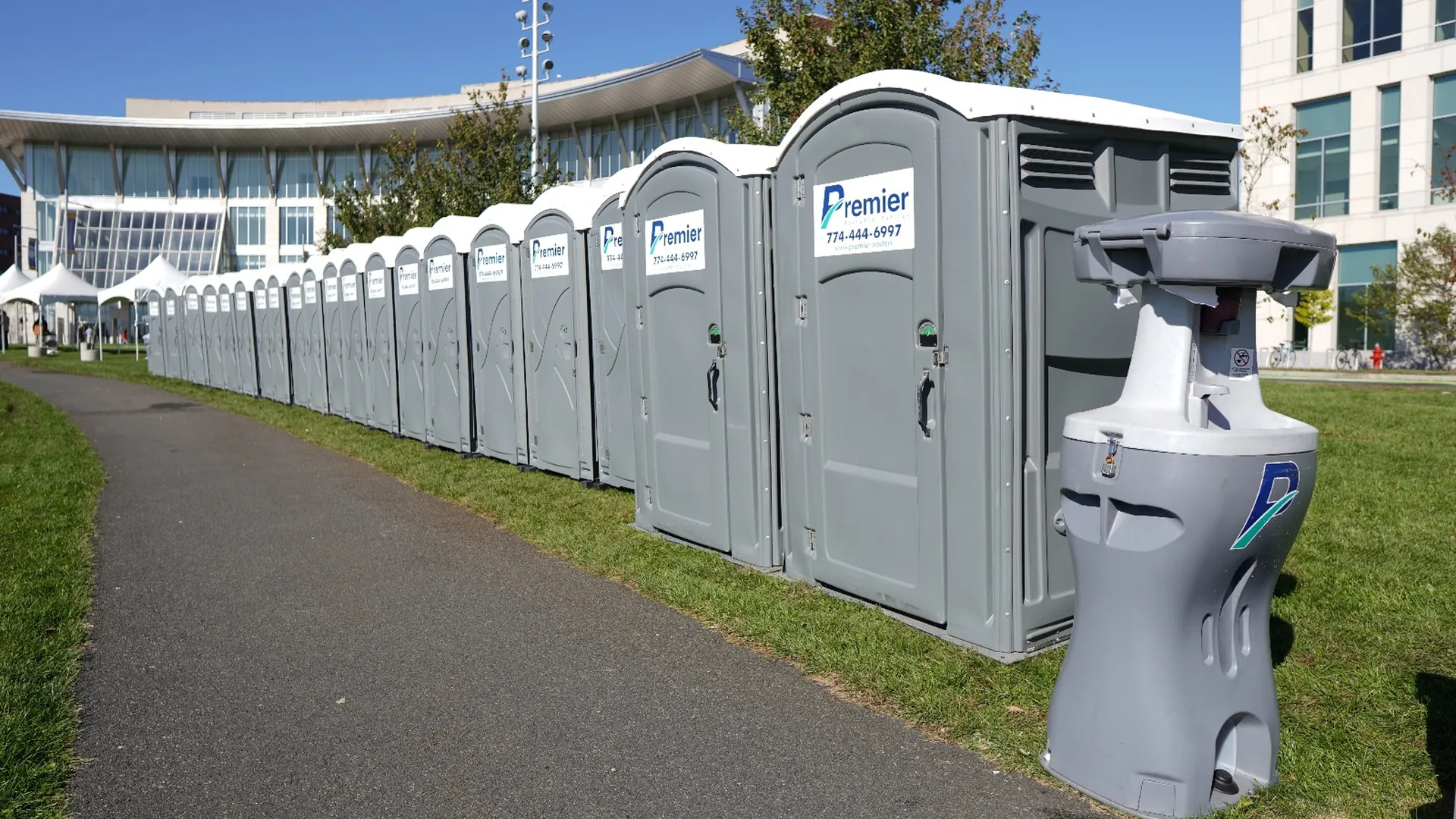
Choosing the right unit: standard, ADA, and specialized options
Portable toilet options vary more than many people expect. The basic unit is what most people picture: a self-contained toilet with a holding tank and a sanitation system. But in emergency scenarios, the “best” choice depends on who will use it, how long it needs to cover the outage, and what conditions the site has.
For many residential emergencies, a standard portable toilet rental is often sufficient for short duration, especially when access is straightforward. For sites with accessibility needs, an ADA-compliant unit can be crucial. If you’re dealing with cold-weather conditions, you also want to consider whether the service provider can support winter readiness, including appropriate supplies for the conditions on the ground.
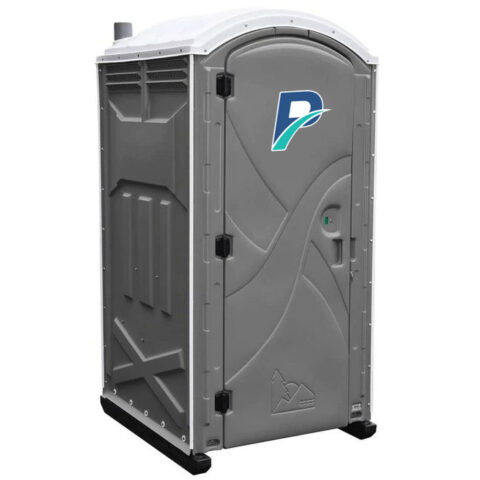
If the outage is prolonged or you’re managing a larger crew, more than one unit is usually the difference between order and frustration. That matters because the real risk is not only sanitation, it’s crowding. Even a well-run portable toilet service can become a safety issue if people are waiting too long in unsafe weather.
One detail that gets overlooked: some sites have narrow driveways or internal courtyards. If the delivery vehicle can’t safely reach the drop point, the unit placement becomes a problem. A professional portable toilet rental companies team will typically ask access questions early, because placement is part of service, not an afterthought.
Sizing: how many portable toilets you need when everything breaks at once
Sizing is where good Porta Potty Rental Boston planning shows up in the real world. It’s also where people either save money or create long lines.
In emergencies, the usage pattern can be intense. People try to “catch up” on bathroom needs when they return to routine. During cleanup, the workload adds physical stress and increases restroom visits. In cold weather, people also tend to cluster around what’s available, even if they would normally spread out across multiple restrooms.
A practical approach is to estimate total users and plan for a reasonable usage capacity for a short window. Providers often guide you on ratios based on duration and expected intensity. If you want a simple starting point for a temporary emergency setup, a common conservative rule is to plan for roughly one toilet per 10 to 25 people for short-term use, with more toilets needed for high-usage crews or when the outage is longer than a couple days. The exact number should reflect age distribution, accessibility requirements, and whether there’s any functioning restroom inside the building.
If you’re unsure, it’s better to add a unit than to force people to improvise. A single additional portable toilet can prevent an entire secondary problem: people leaving the site unsupervised to find alternatives.
Here’s the quick placement and access checklist I recommend before you confirm delivery:
- Confirm the drop location is reachable by the delivery vehicle without damaging sidewalks, lawns, or landscaping
- Plan for a stable, level surface where the unit can be set securely
- Keep a clear path to the unit that stays passable in snow and slush
- Ensure the unit is positioned for privacy while still allowing safe access for everyone who needs it
- Identify whether the service requires staging for later pickup or additional servicing
That one step alone saves time when the delivery window gets tight.
Where portable toilets work best in Boston emergencies
Boston properties often have constraints that matter. A rowhouse with a small backyard might be workable for one unit, but a multi-building apartment complex might require thoughtful placement for safe pedestrian flow. Some sites have locked gates or restricted access roads, and delivery timing becomes a negotiation with the realities of traffic and snow removal.
For work sites, the best placement is usually near the work area, not far away. If the toilets are placed too far from where people are working, people will try to stretch their patience or use unsafe alternatives. For residential emergencies, placement also needs to reflect resident behavior. If the toilet is too hidden, you may get line skipping, vandalism, or people trying to avoid it.
I’ve seen cases where a unit was delivered quickly but placed in a spot that was technically accessible, yet nobody wanted to walk through it in storm conditions. The toilet itself was fine, but the setup wasn’t integrated into how people actually move around the property. A provider that thinks about pedestrian access and privacy tends to save everyone time.
The service side: maintenance, servicing schedules, and what you can expect
Portable toilets are not “set it and forget it” during an emergency. They are dependable, but they require proper servicing according to usage and timeline. Some emergency situations are truly short, such as a brief water disruption. Other times, you’re covering a longer window until repairs restore normal operations.
The service provider typically manages the servicing schedule, including tank maintenance and restocking supplies such as toilet paper and hand hygiene items. If the weather is cold, servicing may require extra attention to prevent issues with waste handling and to maintain user comfort. You don’t need to become an expert, but you should ask how they handle recurring service and what the pickup or exchange process looks like.
If you’re managing a site with a lot of people, you also want to think about “peak moments.” In residential buildings, peak usage often clusters around morning routines and when people return after brief evacuations. In construction and cleanup, peak usage can happen after work breaks. If you know the pattern, you can coordinate servicing so the system stays ahead of demand.
Coordinating delivery when roads and access are messy
Boston emergencies often involve street conditions, snow piles, and blocked access routes. Even if the provider can deliver, the site may not be ready to receive the unit. If the ground is uneven or access points are blocked by debris, the delivery team may need to adjust placement or require a short delay.
This is where communication matters. If you can, confirm the exact drop spot, verify there is sufficient space for the vehicle to position safely, and ensure someone will be available to guide placement. In some situations, the driver can proceed without a guide, but it’s still smart to assign a point person. When everything is chaotic, one person can prevent hours of back-and-forth.
Also ask about timing windows. During major weather, delivery may happen within a range rather than a precise time. If you plan around a range and keep the receiving area clear, the entire process feels smoother.
Questions to ask portable toilet rental companies before you commit
When you’re calling around for Emergency Portable Toilet Rental, you want quick answers that reduce uncertainty. The details below are the kind that matter most on the ground, especially in Boston where access can be tricky.
- What delivery timeframe can you meet for my address, given storm conditions?
- Do you offer standard units only, or ADA options too, and can you swap if needs change?
- How does servicing work during the rental period, and how often will you check/empty?
- What supplies are included, and how are they maintained in cold weather?
- Are there any setup, placement, or access requirements I must prepare before the truck arrives?
If a company can’t answer these clearly, you’ll feel it later. In emergencies, clarity is a form of speed.
Cost and “cheap portable toilet rental” versus real value
People search for cheap portable toilet rental, and there’s nothing wrong with that. But the cheapest quote isn’t always the cheapest outcome once you include servicing needs, additional units, and the cost of delays.
In emergency scenarios, costs can be influenced by several factors: the type of unit (standard versus ADA), the rental duration, the number of units, the servicing frequency, and the practicality of delivery. During severe weather, delivery constraints can also affect scheduling and urgency fees. I can’t promise exact pricing because it varies by provider, distance, unit type, and timing, but you can often manage overall cost by getting the counts right and choosing a service plan that matches your timeline.
Here’s a practical way to think about value: price per day matters less than price per correctly serviced day. A slightly higher per-unit rate can be the better deal if it includes the servicing rhythm you need and avoids emergency “catch up” plans.
If you’re tempted to under-order to reduce cost, remember that under-ordering tends to cost you in other ways: increased wait times, additional complaints, and sometimes extra units delivered later under tighter constraints.
A realistic scenario: multi-family building after a winter storm
Let me describe a situation that feels familiar in Boston winters. A multi-family building gets hit with a heavy storm, and the next morning, the usual bathrooms become unreliable. The building staff tries to troubleshoot quickly. While they do, residents need access. Some are elderly. Some have mobility limitations. Others are on a tight schedule for work and cleanup.
In that kind of scenario, the first portable toilet is often treated as a temporary fix, delivered quickly, placed in a practical location near the entrance, and serviced as needed. It works for a while. But then the line forms during peak usage, and people start asking where the alternative restrooms are for different parts of the property. The staff realizes that one unit was a starting point, not the final answer.
The second lesson is about communication with residents. If residents understand that the toilet is available on a temporary basis, and they know what to expect for servicing and supplies, the complaints are fewer and the cooperation is better. When the system feels invisible, people treat it like an improvisation.
The best outcomes usually come when someone in the building is tasked with being the contact for the provider, and the provider is clear about when servicing happens. That’s how an emergency plan turns into an orderly routine.
One-unit versus multi-unit decisions: when you should upgrade
There’s a moment in most emergencies when the question stops being “Will we get one?” and becomes “Will one be enough?”
If you have a small number of users, one standard unit can cover the situation for a short period. If you have multiple groups, or you know that peak usage will cluster, more units are often worth it. For crews, I generally plan for more than one if the cleanup work is active for more than a day or if the crew size is more than a handful.
A helpful perspective is to think in terms of wait time. If people are waiting outside in unsafe weather, even a clean portable toilet becomes a stressor. People will rush, skip hygiene steps, or seek other options. By keeping the wait time low, you protect both sanitation and behavior.
Accessibility matters more during outages
Disruptions are when people need reliability the most. If any resident or worker requires accessible facilities, plan for it early. ADA-compliant portable toilets are not a luxury in emergencies. They can be the difference between someone being able to stay on site and someone being forced to relocate or take dangerous risks trying to get to a usable restroom.
Accessibility also includes practical considerations such as a safe path to the unit and enough space for approach. A unit delivered but placed where snowbanks block movement might not be “accessible” in the way your site actually needs.
If you’re coordinating for a school, a senior living environment, or a property with mixed resident mobility, treat accessible access as part of the sanitation plan, not an add-on.
Cold weather and sanitation: what to plan for in Boston
Boston cold changes behavior. People want restrooms close to where they are, and nobody wants to approach a unit that feels like an obstacle. Service providers often manage appropriate supplies and maintenance, but you can help by preparing the area so the unit can be placed securely and accessed safely.
If you have snow removal schedules, coordinate so the path stays clear. If you can keep the surrounding area free of debris, the unit is less likely to become a hazard. If you anticipate multiple days of use, ask how the provider will handle restocking and servicing with the local conditions in mind.
This is one of those situations where “winter preparedness” is not marketing fluff. It’s practical discipline: positioning, access, supplies, and servicing timing.
What paperwork and site permissions can slow you down
Sometimes the bottleneck is not the toilet. It’s authorization. For commercial properties and public spaces, you may need permission for delivery access, setup, or placement near curb lines. If your building has a super, you might need them on-site. If you’re in an area with specific rules around placement, you’ll want the provider to know upfront.
If you work with a rental company that has done Boston deliveries before, they’re often faster at predicting what will cause delays. That predictability can matter during an emergency when everyone is juggling repairs, resident needs, and safety concerns.
How long should you rent during an outage?
Emergency rental timelines can be hard to pin down. A water issue might resolve in a day, while a sewer-related problem can stretch depending on inspection results, repairs, and restoration work.
A smart strategy is to rent initially for a window that matches the most likely timeline, then extend if conditions require it. Many Portable Toilet Rental setups can be extended, but the cost and scheduling depend on how close you are to the end of the rental period and whether servicing resources are available.
If you know the repair crew has a planned assessment date, coordinate the toilet rental to cover the uncertainty. For many emergencies, the first 24 to 48 hours are the highest stress period. Cover that window properly, then reassess.
Selecting a provider: responsiveness beats fancy promises
The best portable toilet rental companies are the ones you can reach during the urgent phase and that will ask the right questions without making you feel incompetent. You want someone who understands that you may not have perfect information. You might be estimating how many people are affected, or you might only know the timeline in rough terms.
Look for responsiveness, clarity on delivery and servicing, and a willingness to tailor the setup based on access and user needs. A provider who can suggest a realistic configuration, not just a generic quote, is usually the better partner.
Also pay attention to their operational details. Do they confirm delivery access? Do they explain servicing? Do they ask whether you need an ADA option? When those conversations happen early, the eventual delivery feels smoother.
Practical steps for you, right now, if a storm hits
If you’re facing an outage or storm damage and need to act quickly, the fastest path is to treat this like an emergency operations task with simple inputs. You don’t need everything figured out, but you do need a few essentials before you call.
Gather your site basics: exact address, access details for delivery, the number of people expected to use the facility, and whether any accessible access is needed. If your building has any working restrooms, estimate whether they are usable or likely to remain unusable through the repair window. That can influence how many units you need and whether you should schedule additional servicing.
Then contact a provider for Emergency Portable Toilet Rental with those specifics. You should be asking about timeframe, unit types, servicing frequency, and what you need to prepare at the drop location. Once the unit is scheduled, keep a point person available to confirm placement and maintain safe access.
It’s not glamorous work. It is, however, the kind of work that Premier Porta Potty Boston keeps communities steady when the rest of the infrastructure is not.
When to consider portable toilets alongside other fixes
A portable toilet is a sanitation solution, not a full emergency infrastructure fix. If the problem is flooding, sewer backup, or compromised plumbing, the toilet does not address the root cause. But it does prevent additional health risks while repairs proceed.
In many cases, the best approach is parallel action. You continue troubleshooting the building issue, you coordinate repair timelines, and you secure restrooms so residents and crews are not forced into unsafe alternatives. That parallel approach reduces pressure on everyone involved and keeps work moving.
When you get these pieces aligned, portable toilet rental stops feeling like a temporary bandage and starts functioning as a controlled part of the recovery process.
The bottom line in Boston: plan for access, not just equipment
Emergency Portable Toilet Rental succeeds when it matches real conditions: snowy sidewalks, narrow access points, crowding during peak hours, and varying user needs. A Porta Potty Rental Boston plan is not only about owning the unit, it’s about placing it safely, servicing it responsibly, and communicating clearly so people use it appropriately.
If you take one lesson from experience, make it this: choose equipment and service based on how people will actually behave under stress. Give them a clean, accessible, nearby option, and you prevent a cascade of avoidable problems.
When the next storm rolls in, you want the response to feel less like panic and more like a practiced routine. A solid portable toilet rental setup is one of the most practical ways to get there.
Premier Portable Potties
35 Industrial Dr, East Bridgewater, MA 02333, United States
(774) 444-6997
[email protected]
website: https://www.premier.boston/